

Office Relocation with Transport and Installation: A Complete Guide
Relocation of offices is a huge task, bringing along surprises in the form of challenges that disrupt routine operations. Furniture and fragile office equipment transportation raise pressure on any business planning to relocate. Professional commercial movers have the ability to manage such challenges with ease, offering organized planning and expert installation that reduces downtime to a minimum. Professional movers ensure safe handling of valued assets and the correct setup of workspaces right from the beginning.
Read more to understand how professionals handle common challenges and what it takes to ensure that the office move is smooth, organized, and efficient.
Insights on Office RelocationSuccessful office relocation requires detailed planning, secure transportation, and precise installation. Key steps include assessing space and technical requirements, creating a structured timeline, managing inventory, coordinating staff, and sensitive equipment safely. Proper furniture layout and compliance checks ensure the new workspace is fully operational, efficient, and ready for seamless business continuity. |
The Complete Guide to Office Relocation, Transport, and Installation

The following steps highlight how professional teams handle relocation, transport, and installation to keep your business moving without interruption:
Office Relocation: Planning and Preparation
A successful office move begins long before the first box is packed. Detailed office relocation services ensure operations continue smoothly while minimizing disruption to employees and clients.
Assessing Business Needs and Space Requirements
A pre-move analysis should quantify usable square footage, workstation density, and departmental adjacency based on workflow dependencies. Space planning must account for meeting areas, circulation paths, storage zones, and future headcount growth. Infrastructure checks should validate power load capacity, HVAC zoning, data cabling routes, and server room specifications. This ensures the new office supports operational efficiency without post-move modifications.
Creating a Relocation Timeline
A relocation timeline should follow a critical-path structure, sequencing dependent tasks such as fit-outs, systems readiness, and compliance approvals. Each phase requires assigned ownership, buffer periods, and contingency planning to ensure an efficient move in San Antonio. Medium-sized office relocations typically require 8-16 weeks from planning to execution. Aligning move dates with low-activity periods minimizes business disruption.
Inventory Management and Decluttering
Asset audits should be conducted using a categorized inventory covering furniture, records, and specialized equipment. Items are evaluated based on condition, compatibility with the new layout, and replacement cost. Redundant or end-of-life assets are eliminated to reduce transport and installation overhead. Tagged and logged inventories improve traceability and post-move reconciliation.
Communication and Staff Coordination
Employee coordination should follow a role-specific communication plan outlining packing responsibilities, data backup procedures, and move-day protocols. Departmental schedules prevent congestion and resource overlap. Appointed internal coordinators act as single points of contact during the transition. Structured communication reduces confusion and maintains productivity during relocation.
Office Transportation: Safe and Organized Movement
Once planning is complete, you should focus on how to transport office assets securely and efficiently. Proper handling during this stage protects valuable equipment and ensures business continuity.
Professional Packing and Labeling
Packing should follow asset-specific protocols using anti-static materials, shock-absorbent crates, and reinforced cartons. Items are categorized by function, fragility, and destination zone within the new office by professional office movers. Color-coded or barcode-based labeling systems ensure accurate identification and sequencing during unloading. This approach significantly reduces handling errors and reinstallation time.
Coordinated Logistics and Route Planning
Transportation logistics should be mapped using load sequencing to align with installation priorities at the destination site. Vehicle selection depends on asset volume, weight distribution, and access constraints such as loading docks or lift capacities. Route planning considers traffic density, access permits, and delivery windows. Movers in San Antonio ensure predictable arrival times and uninterrupted unloading.
Minimizing Downtime During Transit
Downtime reduction is achieved through phased transportation and parallel task execution. Critical departments or systems are moved first to enable early operational recovery. After-hours or weekend moves allow uninterrupted business activity during regular workdays. Pre-arranged installation readiness ensures immediate setup upon arrival.
Office Installation: Setting Up the New Workspace
The final stage of an office move determines how quickly the business can return to full productivity. Proper installation converts an empty space into a functional and organized workplace.
Furniture Assembly and Workspace Layout
Furniture installation must follow the approved space plan, accounting for ergonomic clearances, circulation paths, and accessibility standards. Workstations, storage units, and meeting areas are positioned to maintain optimal aisle widths and collaborative flow. Modular systems are assembled according to the manufacturer’s specifications to preserve structural integrity and warranty coverage. Accurate layout execution prevents congestion and future rework.
Safety Checks and Compliance
Safety inspections verify compliance with building codes, fire regulations, and workplace safety standards. This includes checking emergency exits, fire suppression access, electrical grounding, and load limits for furniture and equipment. Cable management is reviewed to eliminate trip hazards and overheating risks. Compliance validation reduces liability and ensures a safe working environment from day one.
Final Walkthrough and Operational Readiness
A structured walkthrough is conducted using a punch-list approach to confirm installation accuracy and system functionality. Departments validate workstation readiness, equipment performance, and network access. Any deviations from the plan are corrected before full occupancy. Then, movers in San Antonio, Texas, take final verification to ensure that the office is operationally ready and supports uninterrupted business activity.
Conclusion
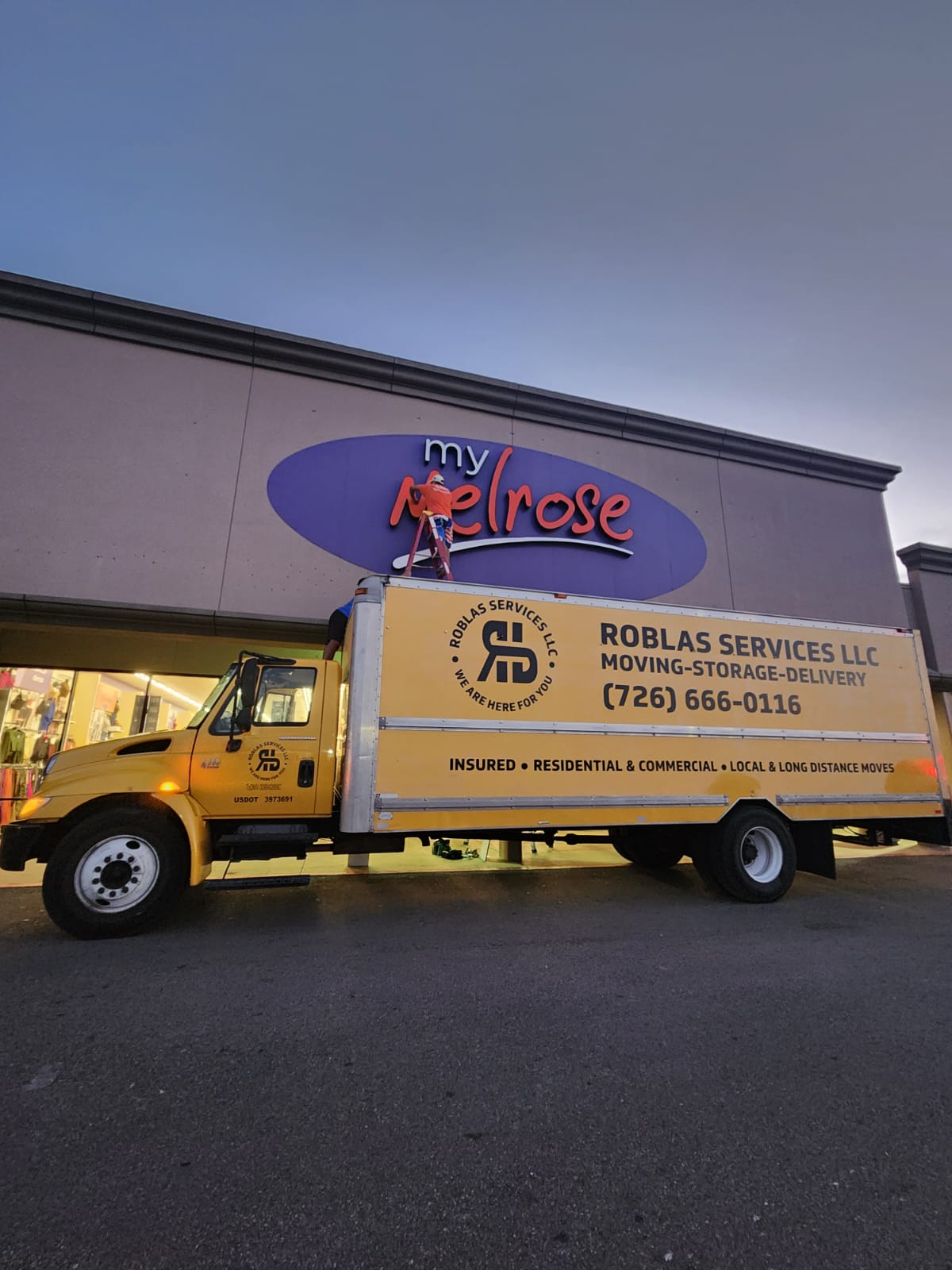
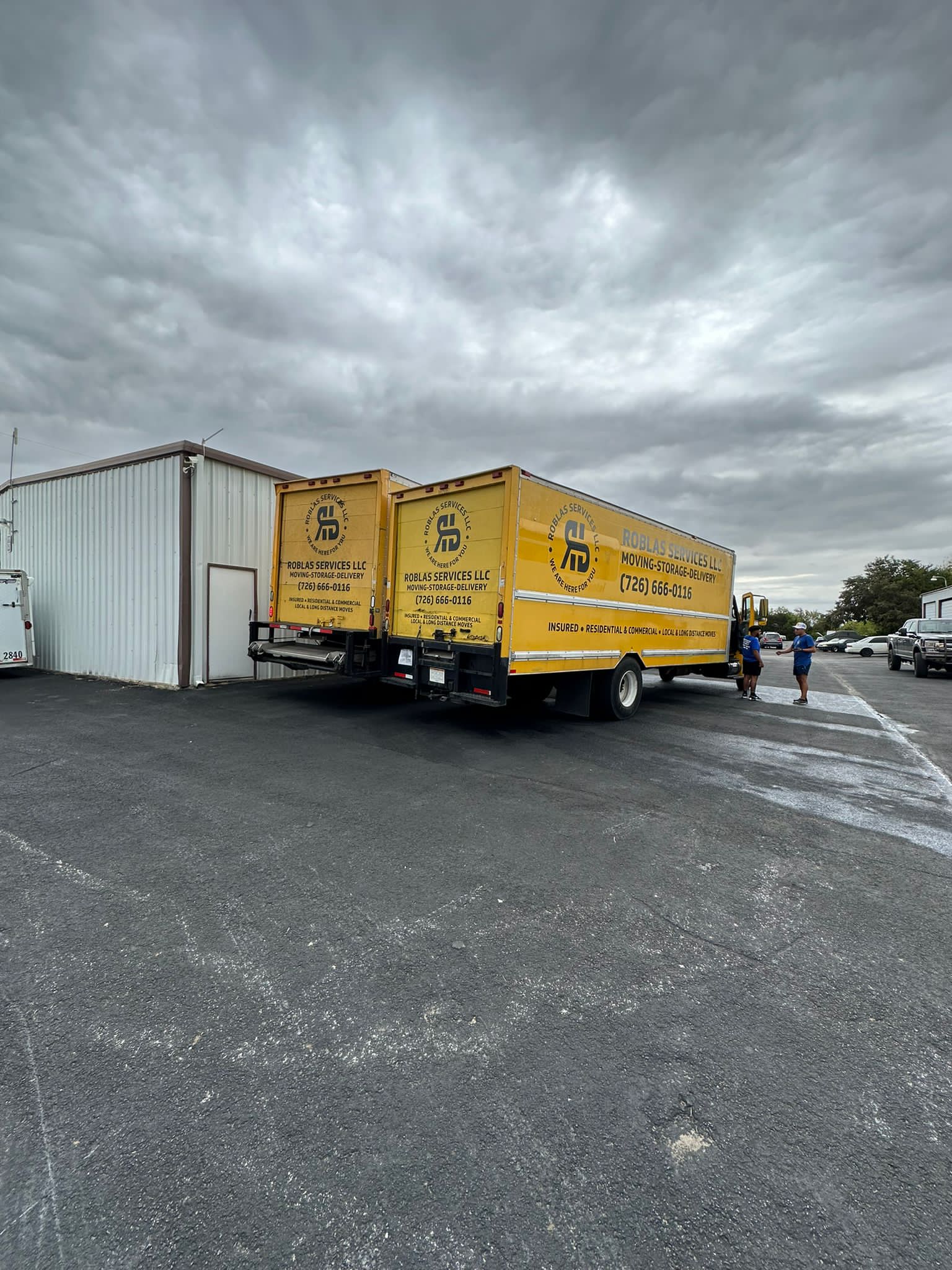
Office relocation doesn’t have to interrupt productivity when handled by experienced professionals. If you are looking for local movers in San Antonio who can make the entire relocation and installation process effortless, we at Roblas Moving Services are here to help. With over 10,000 successful moves completed, we manage every step, packing, transportation, and precise installation, ensuring your business is operational and running smoothly on day one. To know more about us, call 729-666-0116.
FAQs
How long does an office relocation take?
What is the average cost of office relocation?
How can businesses protect sensitive data during a move?
Are there specific insurance options for office moves?
How can businesses minimize employee disruption during a move?
Do professional movers offer post-move support?